CSDHI – Les forces de sécurité iraniennes arrêtent des médecins et des manifestants alors que la répression du soulèvement populaire s’intensifie, sur fond de craintes liées à la peine de mort.
Le soulèvement populaire actuel en Iran, qui a débuté fin décembre 2025 dans un contexte de crise économique et de mécontentement généralisé, s’est transformé en l’une des répressions les plus sévères de l’histoire récente du pays. Alors que les forces de sécurité redoublent d’efforts pour étouffer toute dissidence, des rapports crédibles font état de l’arrestation de professionnels de santé ayant soigné des manifestants blessés, tandis que des organisations de défense des droits humains avertissent que les protestataires pourraient être condamnés à mort face à des réponses judiciaires d’une extrême sévérité.
La répression vise les médecins et les secouristes
Plusieurs organisations de défense des droits humains rapportent que les forces de sécurité iraniennes ont arrêté des médecins bénévoles et du personnel médical ayant pris en charge des blessés lors des manifestations. Selon Iran Human Rights, des agents ont mené des descentes dans des cliniques et des domiciles privés pour arrêter des soignants, dont la Dre Ameneh Soleimani, qui aurait été détenue pour avoir traité des manifestants blessés à Ardabil. Au moins quatre autres médecins bénévoles et secouristes ont également été arrêtés, bien que leur situation actuelle et leur lieu de détention restent inconnus.
Dans un cas documenté, les autorités auraient perquisitionné le domicile du secouriste bénévole Khosrow Minaei, confisqué ses effets personnels et procédé à son arrestation après qu’il a apporté une assistance médicale à des manifestants blessés. Cette répression vise à intimider le personnel médical et à décourager la prise en charge des blessures liées aux manifestations.
Des hôpitaux qui ne sont plus sûrs : des arrestations au sein des établissements médicaux
Le principe de neutralité médicale — selon lequel soignants et patients doivent être protégés en période de conflit — semble aujourd’hui gravement menacé. Un expert des droits humains des Nations unies a signalé que les forces de sécurité iraniennes arrêtent des manifestants blessés directement dans les hôpitaux, les emmenant pendant leur traitement ou après leur sortie. De telles pratiques peuvent dissuader les personnes de chercher des soins médicaux urgents et constituent une grave violation des normes internationales.
Dans certains cas, des membres de familles tentant de récupérer les corps de leurs proches auraient été victimes d’extorsion, des sommes importantes leur étant réclamées en échange de la restitution des dépouilles de manifestants décédés.
Craintes d’exécutions dans un contexte d’escalade judiciaire
Parallèlement aux arrestations, les inquiétudes grandissent quant à la volonté des autorités iraniennes de recourir à la peine de mort contre des manifestants et d’autres personnes accusées d’infractions graves. Début janvier, des responsables judiciaires iraniens ont déclaré publiquement que les participants aux manifestations et ceux soupçonnés de les soutenir seraient sévèrement punis, notamment sur la base d’accusations passibles de la peine capitale. Des rapports indiquent que des manifestants ont été inculpés pour « moharebeh » — ou « guerre contre Dieu » — une infraction punissable de mort selon le droit iranien.
Selon des organisations de surveillance des droits humains, au moins plusieurs dizaines d’exécutions liées aux arrestations lors des manifestations auraient eu lieu début janvier, bien que les médias d’État et les autorités aient contesté ou nié certains de ces rapports. Des observateurs internationaux ont exprimé leur vive inquiétude face à la perspective de procès expéditifs ou de condamnations à mort sans garanties de procédure transparentes.
Un cas très médiatisé concerne Erfan Soltani, un manifestant de 26 ans condamné à mort à la mi-janvier, bien que des informations ultérieures aient indiqué que les autorités judiciaires avaient nié que son exécution soit imminente ou qu’elle ait eu lieu.
Des manifestations de masse et une répression généralisée
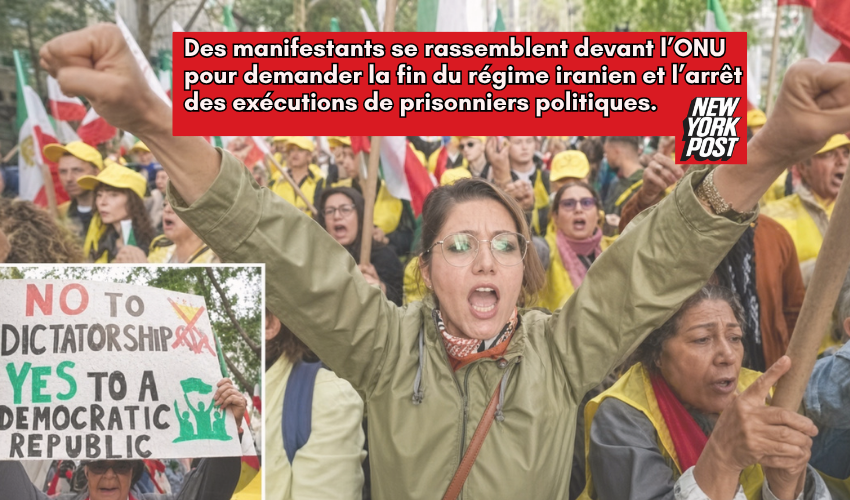
Les manifestations ont commencé le 28 décembre 2025, initialement déclenchées par une forte dégradation économique et l’effondrement de la monnaie, avant de s’élargir en un mouvement de contestation antigouvernementale réclamant un changement politique systémique. Les forces de sécurité ont répondu par une force létale, notamment par l’usage de munitions réelles et des arrestations massives, le bilan des morts étant estimé de plusieurs milliers à potentiellement des dizaines de milliers — des chiffres difficiles à vérifier en raison des coupures d’Internet et de la suppression de l’information.
Des organisations telles qu’Amnesty International et Iran Human Rights ont documenté de nombreuses violations, notamment des homicides illégaux, des détentions arbitraires et des aveux forcés. Elles soulignent que les actions récentes de l’Iran pourraient constituer des crimes au regard du droit international et appellent à une attention internationale urgente ainsi qu’à des enquêtes indépendantes.
Réactions internationales et préoccupations en matière de droits humains
La communauté internationale, y compris des responsables des droits humains de l’ONU, a condamné la détention du personnel médical et le harcèlement des manifestants blessés. Les appels au respect de la neutralité médicale et au traitement légal des détenus ont été relayés par des organisations de défense des droits humains et des diplomates du monde entier.
Cependant, le gouvernement iranien continue de présenter les manifestations comme des menaces pour la sécurité et insiste sur l’application de sanctions sévères contre les auteurs présumés. Cette position reflète une stratégie plus large visant à étouffer la dissidence et à dissuader toute mobilisation future, même au prix d’une condamnation internationale et d’un examen accru de la situation des droits humains.